
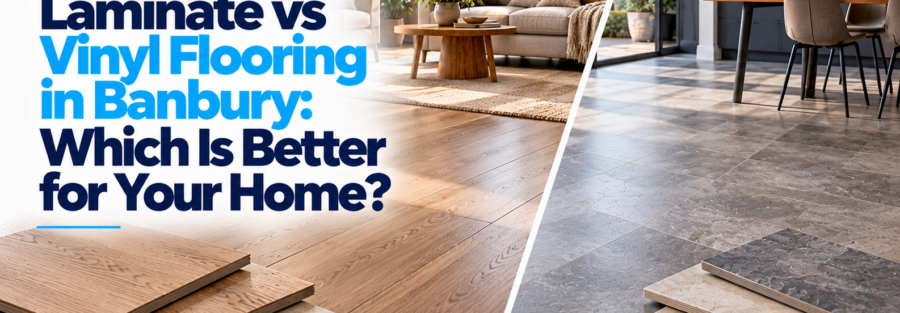
Laminate vs Vinyl Flooring in Banbury: Which Is Better for Your Home?
Picking new flooring can change how a home looks and how it feels to live in it. Still, with so many types on the market, it can be hard to choose between laminate and vinyl. Both can look good and come in lots of styles and finishes. They also each bring their own useful features. The real difference is in how they are built, how they handle water, and where they work best inside a home.
If you are looking at laminate in Banbury, or you want to try vinyl for your next update, it helps to know what sets them apart. Below is a side-by-side look at both types, plus the points you should think through before you buy.
What Is Laminate Flooring?
Laminate flooring is made from several layers. The goal is to copy the look of real materials, especially wood. Most boards have a wear layer on top, then a printed design layer, then a core board, and finally a backing layer.
A big selling point is that laminate can mimic oak, walnut, and other wood-style finishes, often for less money than solid wood. You can use it in many spaces too, from classic rooms to more modern homes.
Day-to-day care is usually easy. You can sweep or vacuum regularly, then use the right cleaner when needed. The catch is moisture. Standard laminate may be affected if water gets into the seams. Some products are made to be more water resistant, but you must follow the maker’s notes to understand what that means for real use.
Laminate often fits well in living rooms, bedrooms, and hallways. It gives that wood-effect look, with solid everyday performance for most homes.
What Is Vinyl Flooring?
Vinyl flooring is a man-made floor covering. It comes in different forms, such as sheet vinyl, vinyl planks, and luxury vinyl tiles, also called LVT. These options can make it easier to match the look you want and choose a fit that works for your space.
Many newer vinyl styles can copy wood, stone, ceramic tiles, and other finishes. Because of that, vinyl can fit into many interior themes. Some types are also kinder underfoot, and they can handle everyday scuffs and traffic well.
One key reason people choose vinyl is how it deals with moisture. That is why it is often considered for kitchens, bathrooms, utility rooms, and places where spills can happen. Even so, water resistance is not the same across all vinyl products. Always check the product details before you decide.
Before you buy vinyl flooring, look at the room you plan to fit it in. Then match the finish you want with the care and maintenance advice from the supplier.
Laminate vs Vinyl Flooring: Key Differences
Both laminate and vinyl can give you a floor that looks good and works in day-to-day life. But the best pick can depend on the room, and on how each material responds to that space.
1. Appearance and Design
Laminate stands out for its wood-look finishes. A lot of ranges also come with raised texture, so the surface feels more like real timber. Vinyl can match that variety too. You can find wood and stone styles, plus patterns that mimic tiles and other decorative looks.
What works best depends on what you want to see in your space. It also depends on the feel and style you want in your home. If you can, compare sample pieces in person. That makes it easier to judge colour, texture, and the final finish.
2. Water Resistance
Water resistance matters a lot when you are choosing between these. Many vinyl options handle normal splashes well. This usually works best when the flooring is fitted properly and rated for that kind of area.
Laminate may react more to moisture. Even so, some newer laminate ranges are made with better water protection. Before you fit either one in kitchens, bathrooms, or utility rooms, check the maker’s advice.
3. Durability and Everyday Use
Both laminate and vinyl come in versions for different home routines. How long they last depends on more than one thing. It can include the wear layer, the build, how well it is installed, and how you maintain it over time.
For hallways and living spaces, choose a product built for constant foot traffic. If your home has pets or young children, think about scratch resistance. Also consider how simple it is to clean and whether the surface suits your daily use.
4. Cleaning and Maintenance
In general, both choices are simple to keep up with compared with other floor types. Sweeping or vacuuming often takes care of loose dust. Then, using the right cleaner helps the finish stay in good shape.
Try not to soak the floor unless the manufacturer says it is fine. Stick to the care steps listed in the instructions. That helps protect the surface and can extend its lifespan.
5. Cost and Installation
The total cost varies with the product and the room. Room size matters, and so does the condition of the subfloor. Installation needs can also change the price. You may also pay for underlay, floor prep, trims, and the fitting itself.
Instead of only looking at material cost, think about the full job cost. Also weigh it against the results you want from the floor in the long run.
Which Flooring Is Best for Different Rooms?
The right pick depends on how each room is used.
- ✓ Living rooms: Laminate or vinyl can suit this space. Choose based on your look, comfort needs, and how much care you plan to do.
- ✓ Bedrooms: Both can work well here. Carpet is still an option if you want extra softness and warmth.
- ✓ Kitchens: Water-resistant laminate or vinyl can fit. Vinyl may be a good choice when spills happen often.
- ✓ Bathrooms: Use a product that is made for bathrooms. Proper fitting matters, and moisture protection should be a priority.
- ✓ Hallways: Go for a durable option that can handle frequent walking, dirt, and daily wear.
Treat each room on its own. It makes it easier to plan flooring that looks good and works well.
Find the Right Flooring Solutions in Banbury
There is no single “best” option for every house. Laminate can be a good fit if you want a wood-like look in lounges and bedrooms. Vinyl often suits people who need extra help with damp areas and prefer simple cleaning.
At CarpetLand, our Banbury showroom has many flooring choices. We stock options for different budgets and interior styles. If you are weighing flooring in Banbury, a visit gives you a chance to see finishes in person and talk it through with the team.
Looking for laminate flooring in Banbury? Want to buy vinyl flooring? CarpetLand can help you compare options and pick a choice that suits your home.